
The Preceptor Role in Clinical Training
Chairside CME
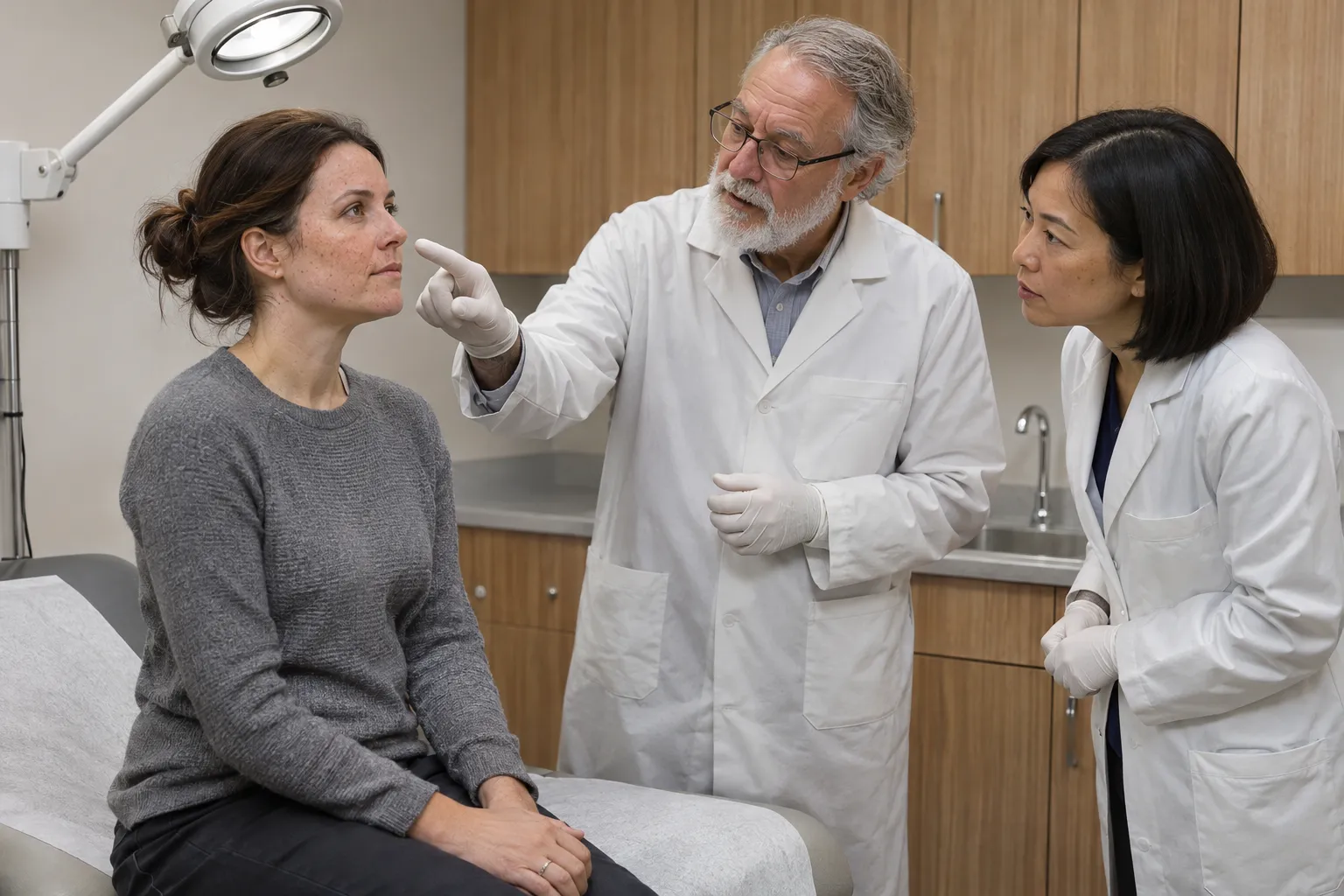
Someone has to supervise the learner, and that someone has a patient list of their own. This page looks at the preceptor and at what changes when a New Jersey aesthetic clinic takes one on.
A supervisor with a patient list of their own
The standard rule says to train under a qualified supervisor. It does not say what happens when the supervisor also has patients, a schedule and a practice to run, and teaching is added on top. The word "preceptor" is the common name for the person who takes this on, and the older tradition of apprenticeship offers one way of picturing the arrangement.
A definition that does not name aesthetics
Wikipedia defines the term this way: "In medicine , allied health , midwifery, paramedicine, pharmacy and nursing education, a preceptor is a skilled practitioner or faculty member who supervises students in a clinical setting to allow practical experience with patients."
The definition lists medicine, allied health, midwifery, paramedicine, pharmacy and nursing. Aesthetic injection is not named, so a clinician cannot assume the definition covers an aesthetic setting without checking. What a clinician adds is the local fit: who will serve as preceptor near Madison, and whether they supervise in the way the definition describes. Wikipedia's separate entry on the preceptor is where to read the term in full, and its entry on the nurse practitioner is useful for readers whose own role is in that group.
Ask a preceptor what they supervise
The definition supports a plain idea: a preceptor is a practitioner who supervises students so they gain practical experience with patients. It does not set rules for who qualifies in New Jersey or how many learners one person may supervise. Ask a prospective preceptor what they supervise, and compare that with the arrangement described in the entry on job shadowing.