
What a Shadow Day Involves
Chairside CME
A shadow day sounds simple: follow a professional and watch. For an aesthetic clinician in New Jersey, the first question is what a person is allowed to do while watching, and the standard description does not settle it.
What "shadow first" leaves undecided
Advice to "shadow first" treats the day as one thing. It can mean standing in a corner or it can mean helping with setup, and the host decides. A patient may also not want an observer in the room. None of that is in the usual description, and the answers differ by practice.
Observing is not treating
Wikipedia describes the practice this way: "Job shadowing involves following and observing another employee who might have a different job in hand, have something to teach, or be able to help the person who is shadowing learn new aspects related to the job, organization, certain behaviors or competencies."
The passage describes following and observing. It does not describe treating, and it says nothing about patients or consent. A clinician near Madison adds the arrangements: who the host is, what the practice permits, and what a patient is told. Wikipedia's Preceptor entry is a useful contrast. University guides for pre-health students are available as well, including the shadowing guides from the University of Nebraska Omaha and the pre-health shadowing quick tips from the Explore Center at Nebraska-Lincoln.
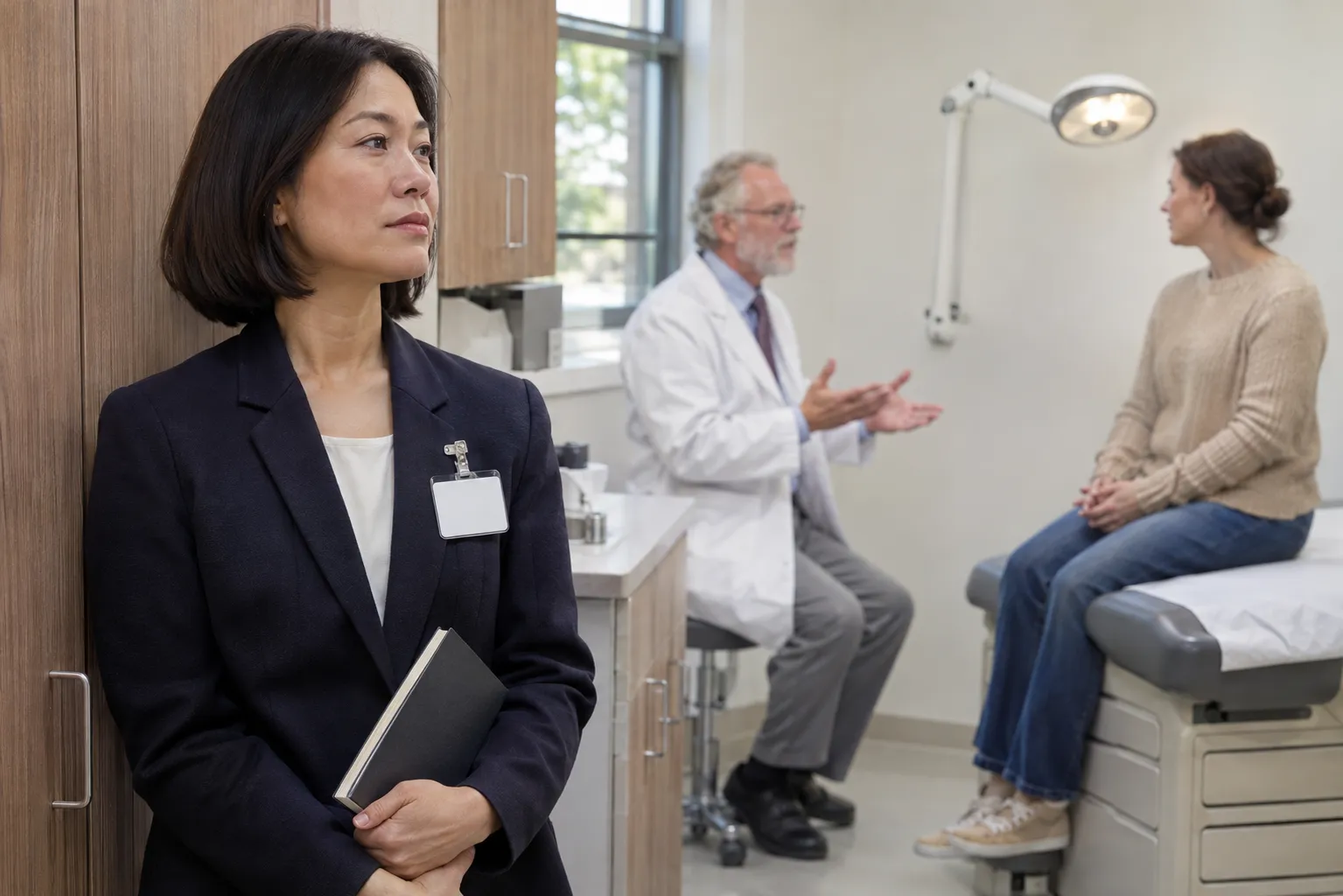
Agree on the day's limits in advance
The passage supports treating a shadow day as observation and learning, as the job shadow entry frames it. It does not support assuming that a clinician may touch a patient. Agree on the host's expectations ahead of time, and treat anything beyond observing as a separate arrangement.